-
Shop
- Advanced Technologies
- AI Skills Mastery 2026 Collection
- Bathroom
- Best-Sellers
- Car Accessories
- Dating & Social Skills
- Digital Resources
- Education & Learning
- Family & Parenting
- Fashion
- Fashion Accessories
- Furniture
- Gadgets
- Health & Beauty
- Health & Wellness
- Home & Garden
- Home & Kitchen
- Home Electronics
- Home Supplies
- Kids & Babies
- Kitchen
- Lighting
- Online Business for Beginners
- Outdoors
- Patio, Lawn & Garden
- Personal Growth
- Pet Care
- Pet Supplies
- Pets
- Sport & Outdoors
- St. Valentine's Day
- Summer 2025 Fashion Collection
- Super Deals
- Travel
- Travel Planning
- Wealth
- Wealth Building
- Budgeting & Saving
- Cryptocurrency Investing
- Debt Management
- Entrepreneurship & Business Growth
- Family Finance & Budgeting
- Financial Planning
- Frugal Living & Expense Hacks
- Goal Setting
- High-Income Skills
- Investing Basics
- Leadership
- Networking & Mentorship
- Passive Income Strategies
- Real Estate Investing
- Side Hustles
- Stock Market Investing
- Popular
- Best deals
Navigating Your Purchase: What to Look For When Buying A Microscope
In the realm of scientific exploration and discovery, microscopes play an instrumental role. However, purchasing one can be a daunting task if you’re unsure about what to look for when buying a microscope.
Understanding Your Needs First
The first step is understanding your needs. Are you looking at microscopic organisms or inspecting circuit boards? The purpose dictates the type of microscope required.
Magnification power is another critical factor in your decision-making process. While higher magnification might seem attractive, it’s not always necessary or beneficial depending upon your usage scenario.
Evaluating Illumination Options

Illumination options are also crucial in determining image clarity under different light conditions. Some models come equipped with built-in LED lights that offer adjustable brightness levels while others rely on external lighting sources.
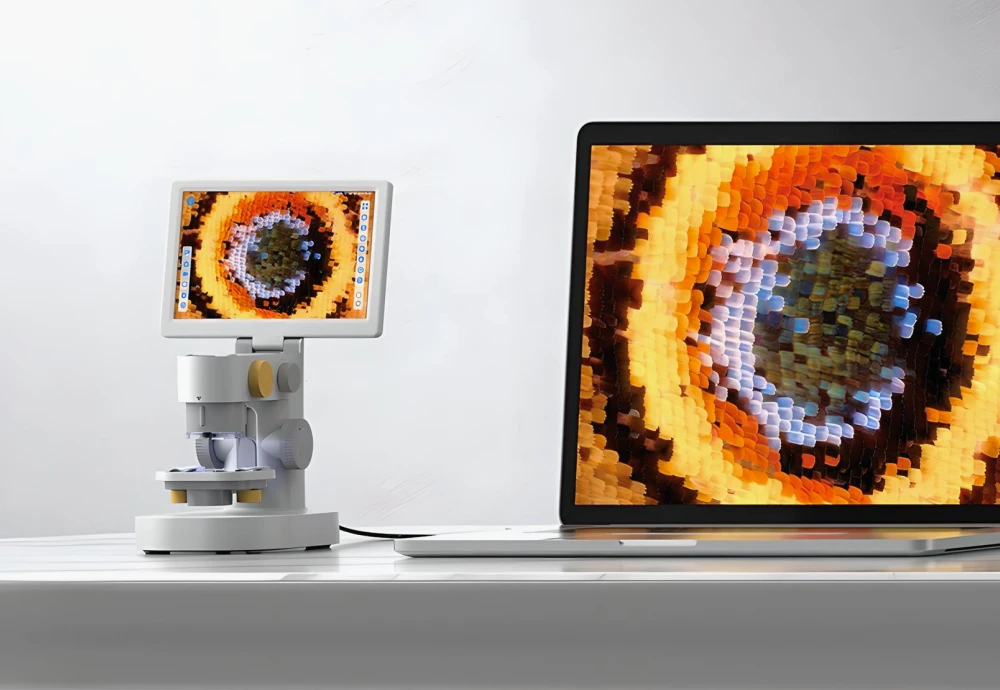
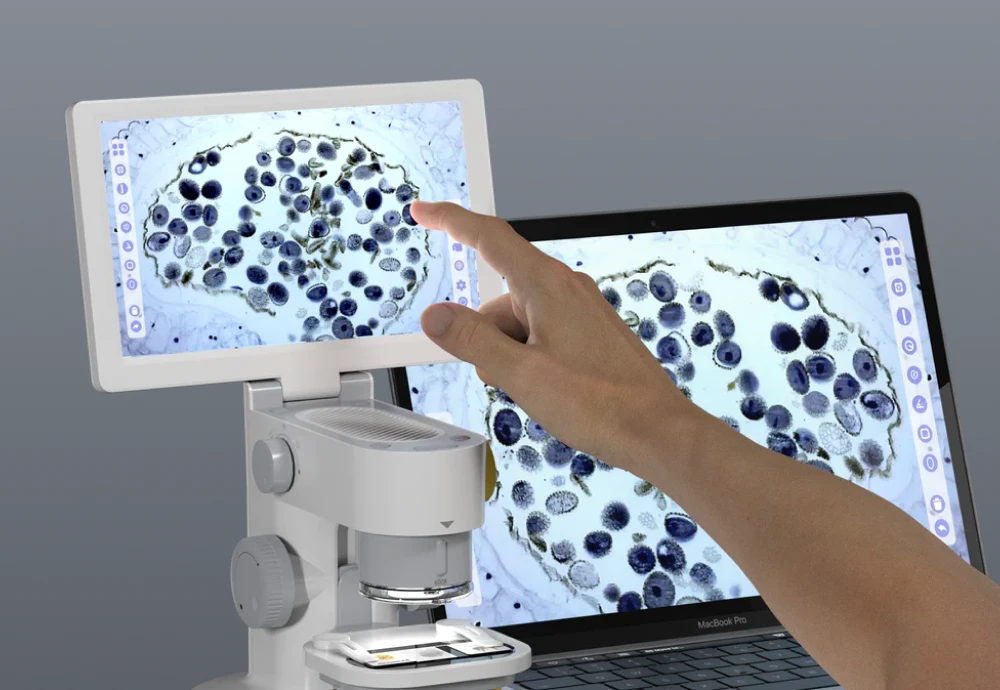
The 1200X Touchscreen Digital Microscope with Triple Camera, for instance, boasts adjustable LED illumination.
Judging Image Quality
Image quality is determined by factors such as resolution and contrast ratio which vary from model to model based on their optical design and build quality. It’s essential to choose one that delivers clear images without distortion or color aberration.
The 1200X Touchscreen Digital Microscope with Triple Camera is a prime example of superior image quality, thanks to its triple camera system.
Considering Ease Of Use
Last but not least, consider the ease of use. A microscope should be user-friendly and intuitive in terms of operation and settings adjustment.
The 1200X Touchscreen Digital Microscope with Triple Camera, for instance, features an easy-to-use touchscreen interface.
Trends And Tips: Getting The Most Out Of Your Purchase
Beyond knowing what to look for when buying a microscope, it’s important to stay updated on the latest trends in scientific equipment. This knowledge can help you make informed purchasing decisions and get the most out of your investment.
For more insights on budgeting tips or stress relief techniques that could help enhance your scientific exploration journey, check out these related articles:
- Slash Stress And Build Wealth With Budgeting Tips
- Tame The Chaos: Why The Stress Relief Techniques Guide Is Your Path To Peace
- Wander Worry-Free With A Travel Security Guide
In conclusion, being well-informed about what to look for when buying a microscope will help you make the best choice. Remember, it’s not just about getting the most expensive model but finding one that fits your needs and budget.
Microscope Features: A Closer Look
In addition to understanding what to look for when buying a microscope, it’s vital to delve deeper into the features that make a microscope stand out. These include resolution, field of view and depth perception.
Resolution Matters
A crucial aspect is resolution – the smallest detail an optical system can resolve. Higher resolution microscopes provide clearer images but come with a higher price tag.
The 1200X Touchscreen Digital Microscope with Triple Camera, offers high-resolution imaging at an accessible price point.
What to Look for When Buying a Microscope: The Field of View Factor
The field of view refers to the area visible through your microscope lens. It’s important as it determines how much you can see at once without moving your sample or adjusting your focus.
The 1200X Touchscreen Digital Microscope with Triple Camera, provides a wide field of view, enabling detailed observation.
Depth Perception: Seeing in Three Dimensions
Depth perception is another key feature if you’re dealing with three-dimensional specimens such as insects or plants. This allows you to navigate through different layers of your specimen effectively.
Now that we’ve explored what to look for when buying a microscope and delved into specific features like resolution, field of view and depth perception, let’s move on towards some additional considerations before making your purchase decision.
Making Your Decision: Additional Considerations When Buying A Microscope
Knowing what to look for when buying a microscope will set you on the right path, but several other factors can influence your final decision.
Price and Quality: Striking a Balance
The price tag is often a significant factor in any purchase decision. But when it comes to microscopes, quality should not be compromised for cost.
The 1200X Touchscreen Digital Microscope with Triple Camera, offers both affordability and quality.
A brand’s reputation can tell you a lot about the reliability of their products. Look for brands that are known for their durability, customer service and consistent performance over time.
What to Look for When Buying a Microscope: Warranty Coverage

Last but certainly not least, consider warranty coverage. A good warranty provides peace of mind knowing that if something goes wrong with your microscope, you’re covered.
Remember to keep these additional considerations in mind along with what to look for when buying a microscope. This comprehensive approach will ensure that you choose the best tool for your scientific explorations.
Shop this story
Transform Your Space with a Glass Front Sideboard
Feb 11, 2026







Leave a comment